


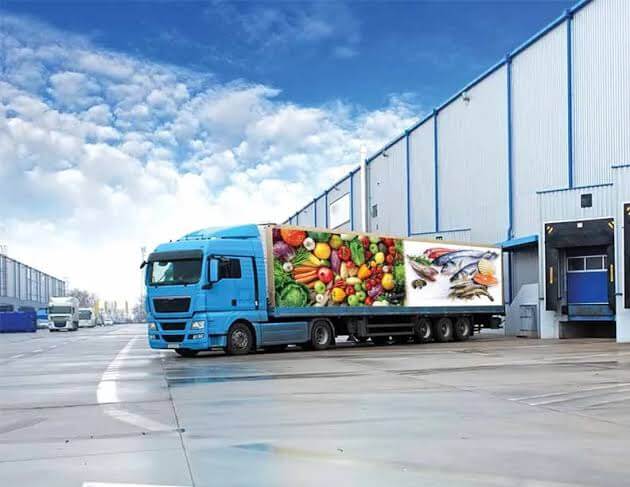

In a country where food losses, pharmaceutical risks, and inefficient logistics cost businesses millions annually, one young Ghanaian company is stepping into a critical gap: cold chain transportation.
At the center of this shift is Primo, a fast-growing mobility and logistics platform that is redefining how temperature-sensitive goods move across Ghana.
A Broken System, A Bold Solution
Cold chain logistics, transporting goods like fresh produce, frozen foods, and pharmaceuticals under controlled temperatures, has historically been one of Ghana’s weakest infrastructure links.
From tomatoes spoiling before reaching Accra markets to vaccines losing potency due to temperature fluctuations, the consequences are severe:
– Post-harvest losses in agriculture
– Reduced profitability for SMEs
– Public health risks in pharmaceutical distribution
Primo is tackling this head-on.
Through its platform, the company provides temperature-controlled transport solutions for sectors where freshness is non-negotiable.
From logistics to Cold Chain Disruption
Unlike traditional logistics firms, Primo is built as a digital-first, multi-service platform, combining mobility, logistics, and cold transport into one ecosystem.
It supports frozen goods (-18°C to -25°C), fresh produce (+2°C to +8°C), and pharmaceutical-grade transport compliance, with real-time tracking and monitoring.

Innovation That Targets Real Market Pain
1. Cold Chain as a Service (CaaS)
Primo transforms cold logistics from a capital-heavy investment into an on-demand service.
2. Shared Logistics Model
This enables SMEs to pay only for space used and scale distribution affordably.
3. Digital Integration
Booking, fleet management, and tracking are integrated into one system.
Why This Matters for Ghana’s Economy
– Reducing post-harvest losses
– Strengthening healthcare delivery
– Enabling SME growth
Ghana International Product Awards
The award was for Best Cold Transportation Solutions Provider of the Year 2026
Conclusion
Primo is building critical infrastructure for Ghana’s economic future by preserving value, protecting lives, and powering businesses.
Source: https://ameyawdebrah.com/
